I get this question more than any other. My mother asks it every time I call. Friends in Brooklyn bring it up before they visit. People on the internet treat Naples like it's a war zone with better pizza. So let me be direct: Naples is safe for tourists. It is also not Disneyland, and pretending otherwise would be dishonest.
I've lived in Rione Sanità — a neighbourhood that most travel forums tell you to avoid — for two years. Before that, I visited for a decade. I've never been robbed, mugged, or physically threatened. I have had a phone nearly snatched from my hand once (more on that below), and I've seen petty crime happen to others. Let me break down what's real and what's exaggerated.
What's Ahead
What's Actually a Risk
Pickpocketing is the main concern. Crowded areas — Piazza Garibaldi (the train station area), Via dei Tribunali during peak hours, the Circumvesuviana trains — are where it happens most. The technique is usually a distraction: someone bumps into you, someone else lifts your wallet. Standard southern European stuff, not unique to Naples.
Phone snatching is the more Naples-specific thing. Two guys on a scooter, one grabs your phone while you're looking at Google Maps, they're gone before you register what happened. This is real. It happened to a friend of mine in Piazza Garibaldi. The advice is simple: don't walk down the street with your phone in your hand, especially near the road. If you need to check your phone, step into a shop doorway or stand with your back to a wall.
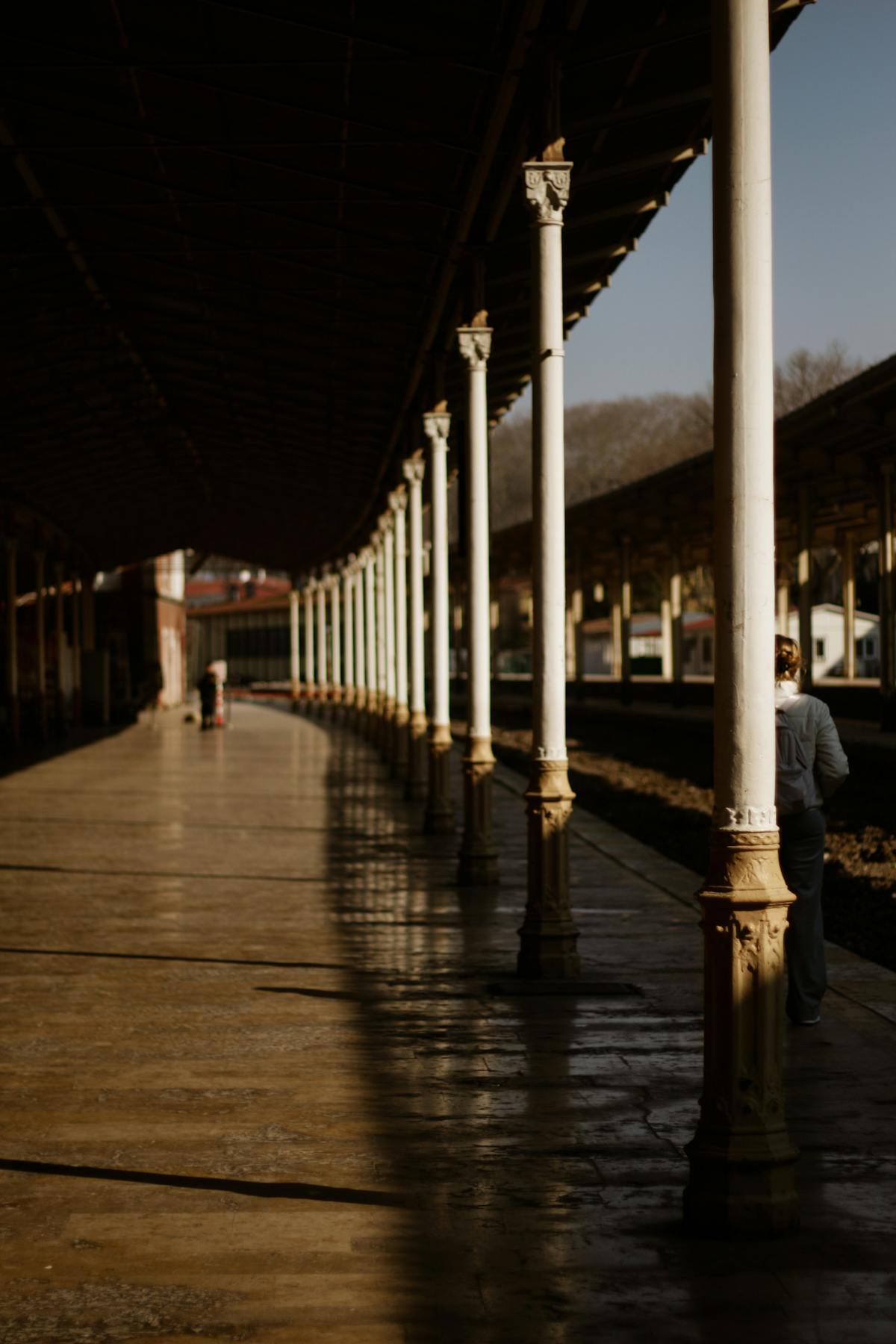
Scooter chaos is not a crime, but it is a safety issue. Scooters go everywhere in Naples — sidewalks, pedestrian zones, the wrong way up one-way streets. As a pedestrian, you need to develop a radar for them. After a few days, you learn the Neapolitan walk — a constant, ambient awareness of what's coming at you from behind. Back in Brooklyn, I used to check for bikes; here, I check for Vespas.
What's Exaggerated
Organised crime. Yes, the Camorra exists. No, they are not going to bother you. Organised crime in Naples operates in its own world — construction, drugs, extortion of businesses — and has zero interest in mugging tourists. The idea that you'll somehow "encounter the Camorra" on a holiday is about as realistic as encountering the Mafia on a trip to Staten Island.
"No-go zones." Travel forums love to list entire neighbourhoods as dangerous. Sanità, Quartieri Spagnoli, Forcella — all get flagged. I live in one of them. My neighbours include a retired schoolteacher, a family that runs a fruit stand, and a 90-year-old woman who yells at pigeons from her balcony. Are these areas polished? No. Are they dangerous for visitors walking through during the day? Also no.
Being American. Several people warned me that being obviously American would make me a target. It hasn't. Neapolitans are, in my experience, among the most welcoming people in Italy. They're curious about foreigners, especially ones who try to speak Italian. They are more likely to invite you for coffee than rob you.
Areas to Be Aware Of
I won't pretend every corner of Naples is equally comfortable, because it isn't. Here's an honest assessment:
Piazza Garibaldi and the station area — the least pleasant part of tourist Naples. It's the transit hub, it's crowded, and there are more opportunistic pickpockets here than anywhere else. It's not dangerous, but it's where you need to pay the most attention. Walk through it purposefully. Don't linger counting cash or staring at your phone. The Lonely Planet Naples guide flags the same area, for what it's worth.
Scampia and Secondigliano — these are northern suburbs with genuine social problems. There is no tourist reason to go there. If you do end up there somehow, you'll be fine — but there's nothing to see.
Anywhere after 2am — like any city, the dynamic shifts late at night. The centro storico is lively until midnight or later and feels safe. After 2am, some areas get quieter and darker. Take a taxi home if you've been out late. A ride from the centro storico to most hotels is €8-12.
My perspective: I feel safer walking in Naples at 10pm than I ever did walking in certain parts of Brooklyn at the same hour. The streets here are lived in — there are always people out, always grandmothers on balconies, always someone sitting on a chair outside their front door. That density of human presence is itself a kind of security.
Solo Female Travellers
I'm not a woman, so I'll be careful about what I claim here. What I can report: female friends who've visited have all said Naples felt fine. Not perfect — catcalling exists, as it does across much of southern Italy and, honestly, much of the world. It's verbal, it's annoying, and the consensus from women I've spoken to is that it's on the same level as Rome or Barcelona, maybe slightly more frequent than northern European cities.
What they also said: Neapolitan women are visibly unafraid. They walk alone, they ride scooters through traffic, they tell men to shut up when men are being stupid. The energy is different from a culture where women are invisible — women here are present and loud and take no nonsense. One friend said she felt "weirdly empowered" by that energy. Take that for what it's worth.
At Night
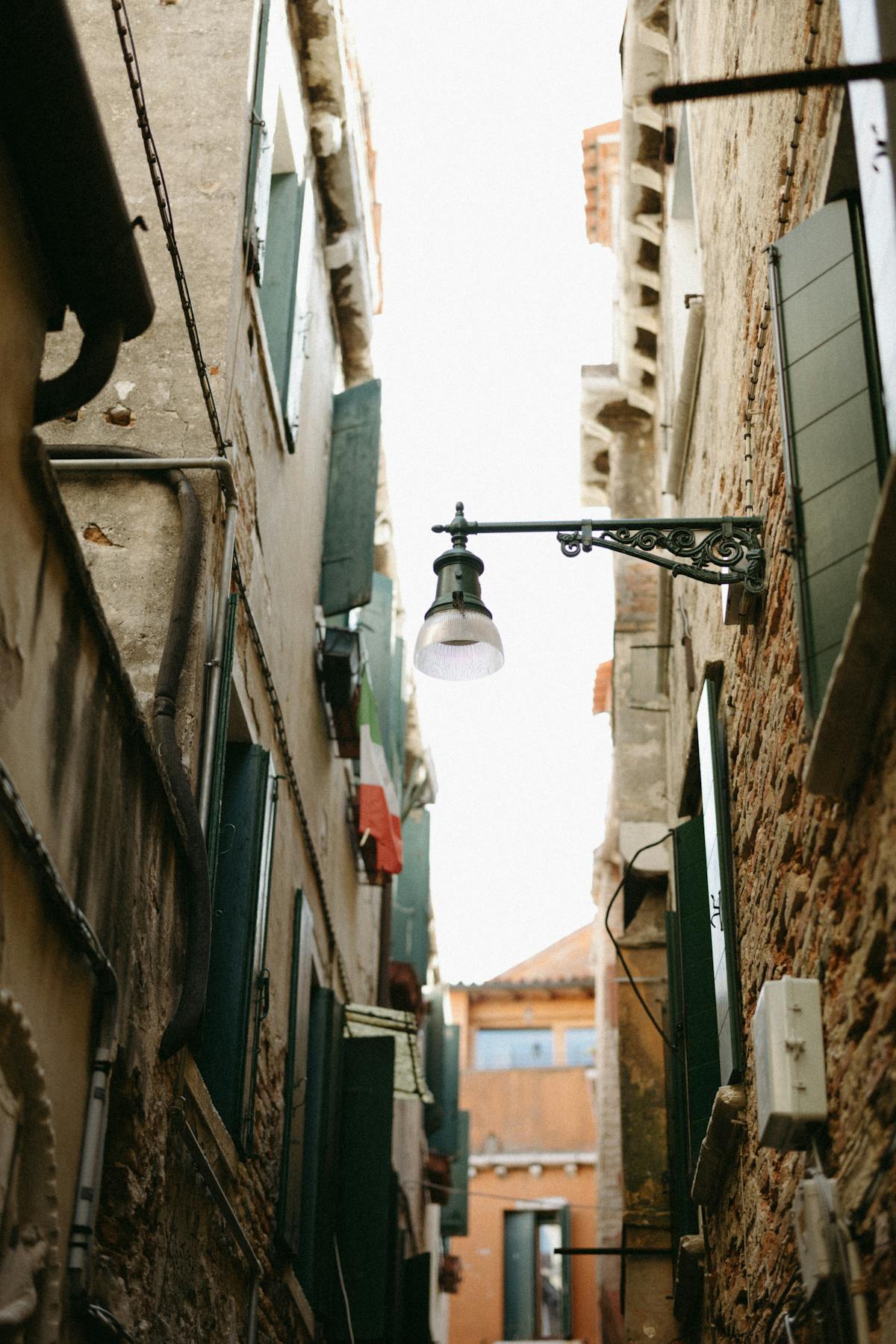
The centro storico is alive at night. Restaurants are full until 11pm. People eat pizza at midnight. Families walk with children at 10pm. There's an energy to nighttime Naples that comes from the fact that this is a southern city — life happens in the evening, when the heat breaks.
The waterfront (Lungomare) is popular for evening walks and is well-lit and busy. Chiaia has bars and restaurants open late. Vomero is quieter but safe. The main thing to avoid is wandering alone into deserted side streets very late — the same advice that applies in literally every city on earth.
The Common Sense Rules
- Bag across your body, not hanging off one shoulder. Crossbody bag or backpack worn on front in crowds.
- Phone in your pocket, not in your hand on the street. Use a wrist strap if you need it out.
- Don't flash expensive jewellery in busy areas. This is not paranoia — it's the same advice your grandmother would give you in any city.
- Watch out for scooters when stepping off sidewalks. Look both ways, then look again.
- Keep copies of documents in your hotel. Carry a photocopy of your passport, not the original.
- Use licensed taxis — look for the white cars with the meter. Or use the IT Taxi app.
My grandmother, who grew up in Quartieri Spagnoli in the 1950s, once told me: "Napoli is like a good dog — it might bark at you, but it won't bite unless you give it a reason." After two years, I think she was about right.
Naples is safe enough to live in, walk in, eat in, and love. It asks you to be present, to pay attention, to keep your wits about you — not because it's hostile, but because it's a real, breathing city that doesn't smooth out its edges for visitors. If you want smooth edges, there are other places. If you want Naples — come. You'll be fine.