People ask me where to stay in Naples and I always ask the same question back: what kind of trip do you want? Because staying in Chiaia versus staying in the centro storico is like choosing between Park Slope and Bushwick. Same city. Completely different experience.
I've slept in most of these neighbourhoods at various points over the past decade — first as a visitor crashing in my grandmother's apartment in Quartieri Spagnoli, later in Airbnbs while I figured out where I wanted to live. Two years ago I picked Rione Sanità. I'll explain why, and I'll explain why it might not be right for you.
What's Ahead
Centro Storico — The Whole Circus
This is the old city centre. UNESCO World Heritage listed, impossibly dense, loud from about 7am to midnight. The streets are narrow enough that you can sometimes hear conversations happening in apartments two floors up on both sides. Scooters will pass you at distances that would get someone arrested in Brooklyn.
It is also, unquestionably, the most interesting place to stay. Spaccanapoli runs through it. Via dei Tribunali runs through it. The best pizza, the best street food, the churches, the underground tunnels, the Sansevero Chapel — it's all here, within walking distance of everything.
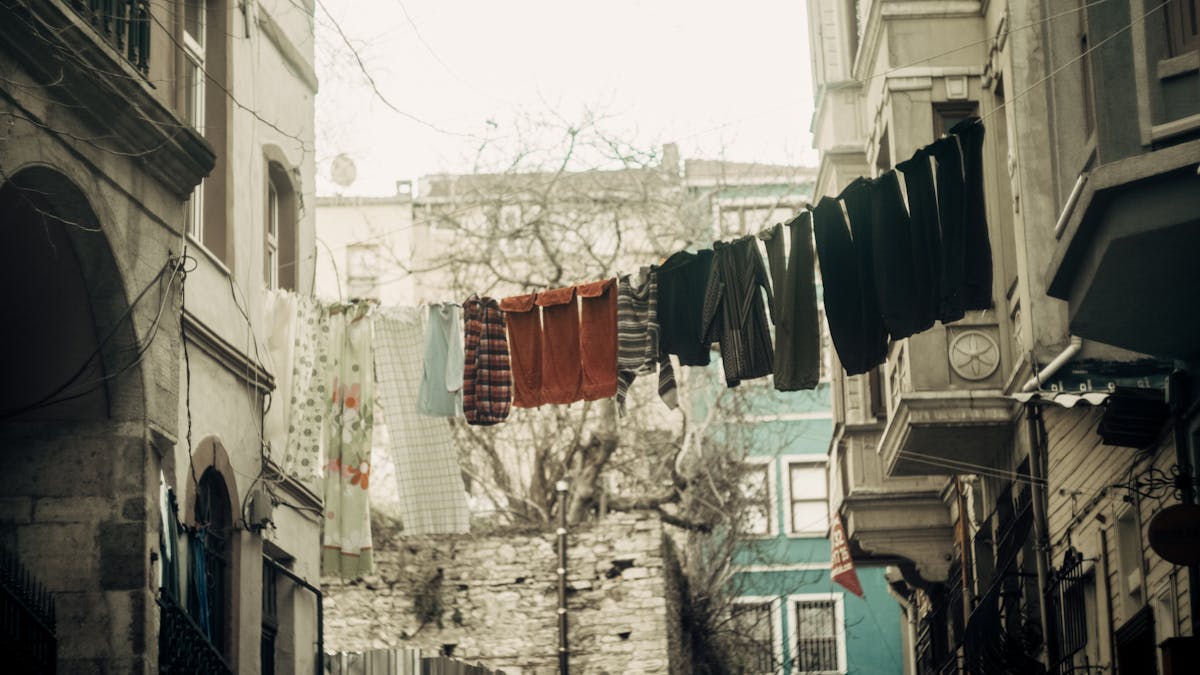
Hotels range from €60-120 for a decent room. B&Bs are plentiful and often better than hotels — many are family-run apartments with more character than any chain. Noise is the trade-off. If you need silence to sleep, bring earplugs or stay elsewhere.
Chiaia — Where Naples Puts on a Nice Shirt
Chiaia is the elegant neighbourhood along the waterfront, stretching from Piazza dei Martiri down to the Lungomare. If centro storico is Brooklyn, Chiaia is the Upper West Side. Boutique shops, wine bars, well-dressed people walking small dogs. The streets are wider, the buildings are better maintained, and there's an aperitivo culture here that the old city doesn't really have.
I like Chiaia for what it is, even though it's not my scene. The food is good — different from centro storico, more sit-down restaurants than street food. Via Cavallerizza is solid for dinner. The waterfront walk from Mergellina to Castel dell'Ovo is one of the best urban walks in southern Italy.
Hotels here cost more — €90-180 for a decent room. You're paying for the quiet and the views. It's a 15-minute walk to the centro storico, so you're not far from anything.
My take: If you're travelling with someone who isn't sure about Naples — who's read the safety warnings and is a little nervous — start them in Chiaia. It's the gateway drug. Let them get comfortable, then walk them into the centro storico on day two.
Vomero — The Quiet One Up the Hill
Vomero sits on the hill above the city centre. You get there by funicular (three lines run up from different points — €1.30 each, or free with a day pass). It's residential, relatively clean, surprisingly quiet. Castel Sant'Elmo is up here, and the views from the terrace are absurd.
The vibe is neighbourhood-y. Families, local shops, trattorias that have been feeding the same customers for thirty years. Via Scarlatti is the main drag — pedestrianised, good for a passeggiata in the evening.
It's not exciting. I'll be honest about that. If you're here for three days and want the full Naples intensity, Vomero will feel too calm. But if you're here for a week, or you've got kids, or you just want a base that's peaceful with a funicular ride to the chaos below — it works.
Sanità — My Neighbourhood, Warts and All
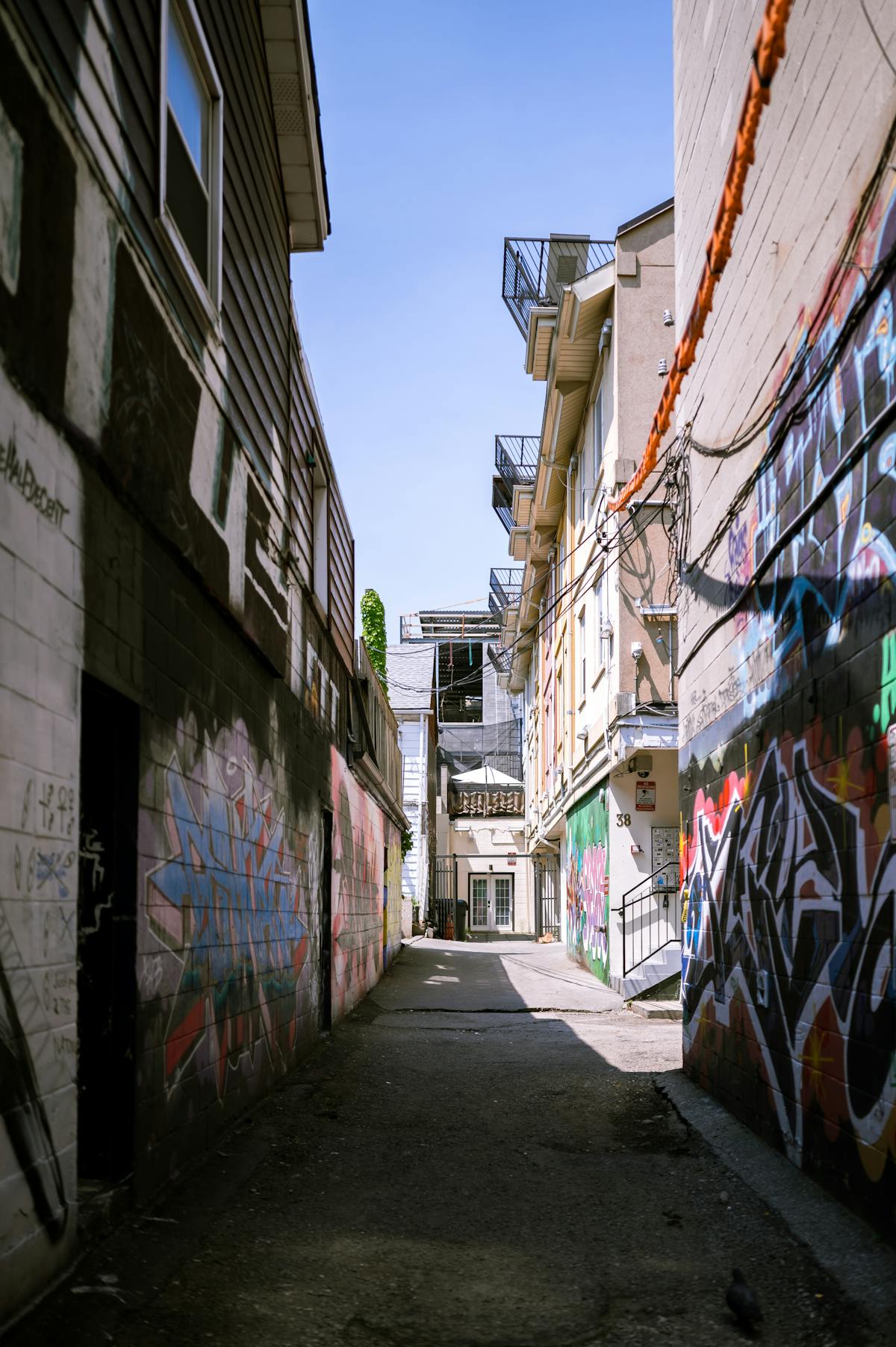
I live in Rione Sanità. It sits in a valley between the centro storico and Capodimonte, and for a long time it was the neighbourhood Neapolitans told you to avoid. That's been changing — there's a whole community-led regeneration thing happening here, driven partly by the catacombs (San Gennaro and San Gaudioso are both here) and partly by a local cooperative that's been turning this area around from the inside.
Sanità is raw. There's no other word for it. The streets are narrow and sometimes feel more like alleys. The market on Via Sanità is loud and chaotic and sells the best fruit I've ever eaten. My landlord's mother brings me food I didn't ask for. A kid on a scooter once delivered a pizza to my door at 11pm because the pizzeria doesn't have a delivery guy — the kid was just there.
There are maybe four or five B&Bs in the area, mostly new. Prices are low — €40-70 a night. You're a 10-minute walk from the centro storico but it feels like a different world. This is not a polished tourist experience. That's exactly why I'm here.
Quartieri Spagnoli — Tighter, Louder, Real
My grandmother's neighbourhood. The Spanish Quarters sit on a steep grid between Via Toledo and the Vomero hill. The streets are so narrow that neighbours can pass plates between facing windows. Laundry hangs everywhere. Shrines to Maradona are more common than street signs.
This used to be genuinely rough — my grandmother had stories. It's still intense, but the vibe has shifted. There are B&Bs on every block now, a few good restaurants have opened, and it's become a place visitors actively choose rather than accidentally wander into. Prices are low: €50-80 a night. You're right next to Via Toledo and the metro, so transit is easy.
I'll say this: Quartieri Spagnoli will give you the most concentrated Naples experience in the smallest area. Whether you want that concentration is a personal question.
The Waterfront — Lungomare and Mergellina
The Lungomare is Naples' seafront promenade, running from Castel dell'Ovo toward Mergellina. It's where Neapolitans go to walk, run, eat ice cream, and stare at Vesuvius across the bay. On Sunday mornings it's closed to traffic and the whole city seems to be out here.
Staying along the waterfront means views and sea air. Hotels around Castel dell'Ovo and Via Partenope are on the expensive side (€120-200) but you're waking up to the bay every morning. Mergellina is cheaper, quieter, more residential — and the seafood restaurants along the port there are genuinely excellent.
The view from the Lungomare at sunset — Vesuvius on the right, Capri straight ahead, the city glowing behind you — is one of those things that makes you understand why people have been writing about this bay for three thousand years.
The Honest Comparison
| Neighbourhood | Avg. Hotel/B&B | Noise | Best For |
|---|---|---|---|
| Centro Storico | €60–120 | High | First-timers, food lovers |
| Chiaia | €90–180 | Low-Medium | Couples, nervous visitors |
| Vomero | €70–130 | Low | Families, longer stays |
| Sanità | €40–70 | Medium-High | Adventurous types, budget |
| Quartieri Spagnoli | €50–80 | High | Culture seekers, budget |
| Waterfront | €120–200 | Low | Views, romance, comfort |
If you're forcing me to pick one for a first visit — three or four nights — I'd say centro storico. You can walk to everything, the food is extraordinary, and you'll understand Naples faster from there than from anywhere else. It's messy, it's loud, it's not always pretty. But it's the real thing.
And if the noise keeps you up, well. That's Naples talking to you. You'll get used to it. Or you won't, and you'll move to somewhere quieter — no shame in that either.