Capri has a reputation problem. It's simultaneously the most recommended day trip from Naples and the one people most often call "overrated" when they come back. I think both camps are partially right, and the difference usually comes down to timing, expectations, and whether you escape the Marina Grande tourist bottleneck.
I've been to Capri five times. Twice in summer (crowded, expensive, still beautiful), twice in shoulder season (the sweet spot), and once in December when half the island was closed and I had the trails mostly to myself. Here's what I know.
What's Ahead
Getting There — The Ferry Situation
Ferries to Capri leave from Molo Beverello in Naples (the port near Castel Nuovo) and from Calata Porta di Massa nearby. There are two types:
- High-speed hydrofoil (aliscafo) — about 50 minutes, €22-25 each way. Runs by SNAV and NLG. Multiple departures per day.
- Slow ferry (traghetto) — about 80 minutes, €15-18 each way. Run by Caremar. Cheaper, more spacious, outdoor deck. Takes cars too.
I prefer the slow ferry. It costs less, you can sit outside and watch the coastline pass, and the arrival into Marina Grande on the slow approach is better than the hydrofoil's abrupt dock-and-go. But if you're doing a tight day trip, the hydrofoil saves you an hour total.
Escaping Marina Grande
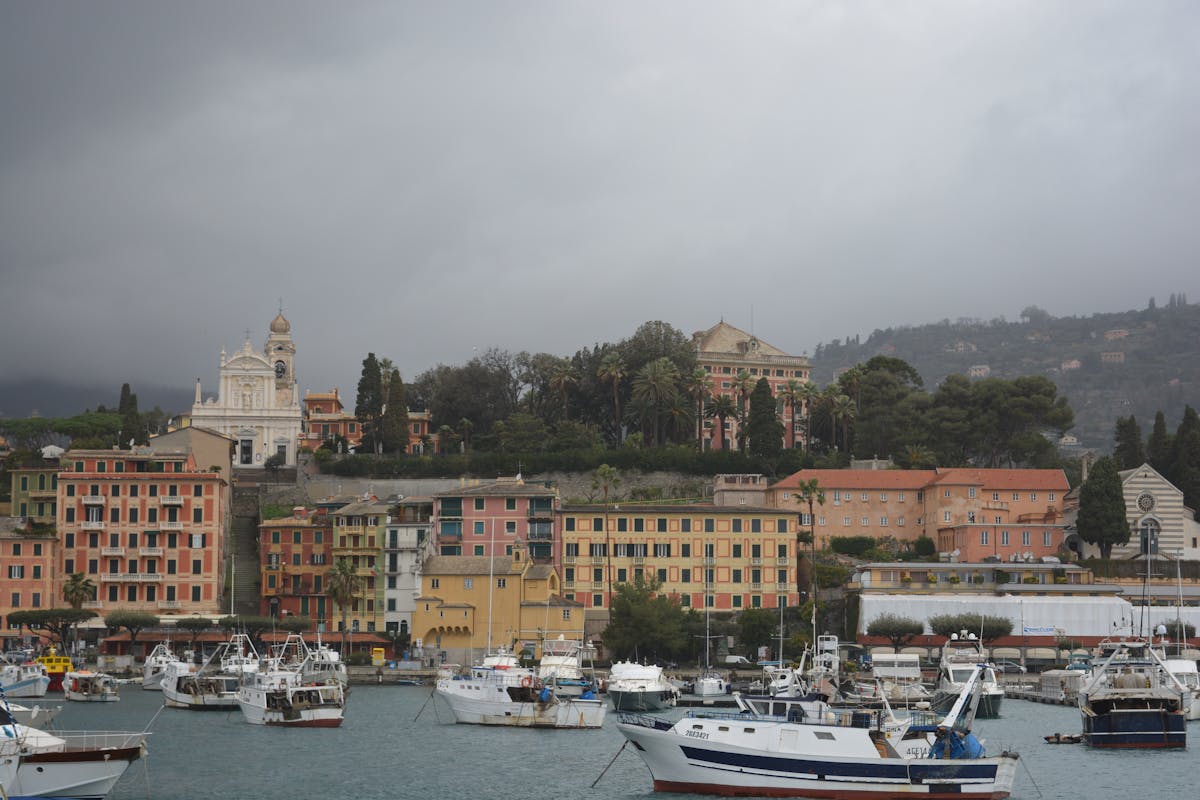
Every ferry arrives at Marina Grande. Every tour group spills out here. Every souvenir shop, every overpriced cafe, every guy trying to sell you a Blue Grotto boat tour — they're all concentrated in this one spot. The vibe is aggressive tourism.
Your first move should be to leave. Take the funicular up to Capri town (€2.20, runs every 15 minutes, 5-minute ride). Or, better yet, take the bus to Anacapri (€2.20, 15 minutes) and start there. The crowd thins out dramatically once you get above the port. By the time you're in Anacapri, it's a different island.
Capri Town vs Anacapri
Capri town is the famous one. The Piazzetta (officially Piazza Umberto I) is the social centre — a tiny square surrounded by cafe tables where people sit, drink overpriced aperitivi, and watch other people do the same thing. It's theatrical and absurd and kind of fun for exactly one coffee. The designer shops radiate outward — Gucci, Prada, the lot. It's glamorous in that very specific Italian island way.
Anacapri is the quieter upper town, connected to Capri by bus or a steep (really steep) footpath. The vibe here is village — local trattorias, a beautiful church (San Michele, with a spectacular majolica floor), and the chairlift to Monte Solaro, which is the highest point on the island at 589 metres.
My preference: Start in Anacapri. Take the chairlift up Monte Solaro (€12 return). The views from the top are the best on the island — you can see the Amalfi Coast, the bay of Naples, and on clear days, the mountains of Calabria. Have lunch in Anacapri (cheaper than Capri town). Then take the bus down to Capri for a late afternoon coffee in the Piazzetta before the ferry back.
The Blue Grotto Question
The Grotta Azzurra is Capri's most famous attraction and the source of most "Capri is overrated" complaints. Here's the deal:
You take a boat from Marina Grande (or a bus + short walk from Anacapri) to the grotto entrance. You transfer into a tiny rowboat. The boatman lies flat and pulls the boat through a metre-high opening in the cliff. Inside, the water glows an impossible, luminescent blue. It is genuinely, unreasonably beautiful.
The catch: the whole experience inside the grotto lasts about five minutes. The wait can be 1-2 hours in summer. The cost is €18 (€14 entry + €4 rowboat). The boatman sings O Sole Mio and expects a tip. If the sea is rough, it's closed entirely — which happens a lot.
Is it worth it? In shoulder season with a short wait, absolutely — the colour of that water is something your brain doesn't quite believe even while you're looking at it. In August with a 90-minute wait? That's a tougher sell. I'd say do it if the conditions are right and skip it if they're not.
The Walks Nobody Mentions
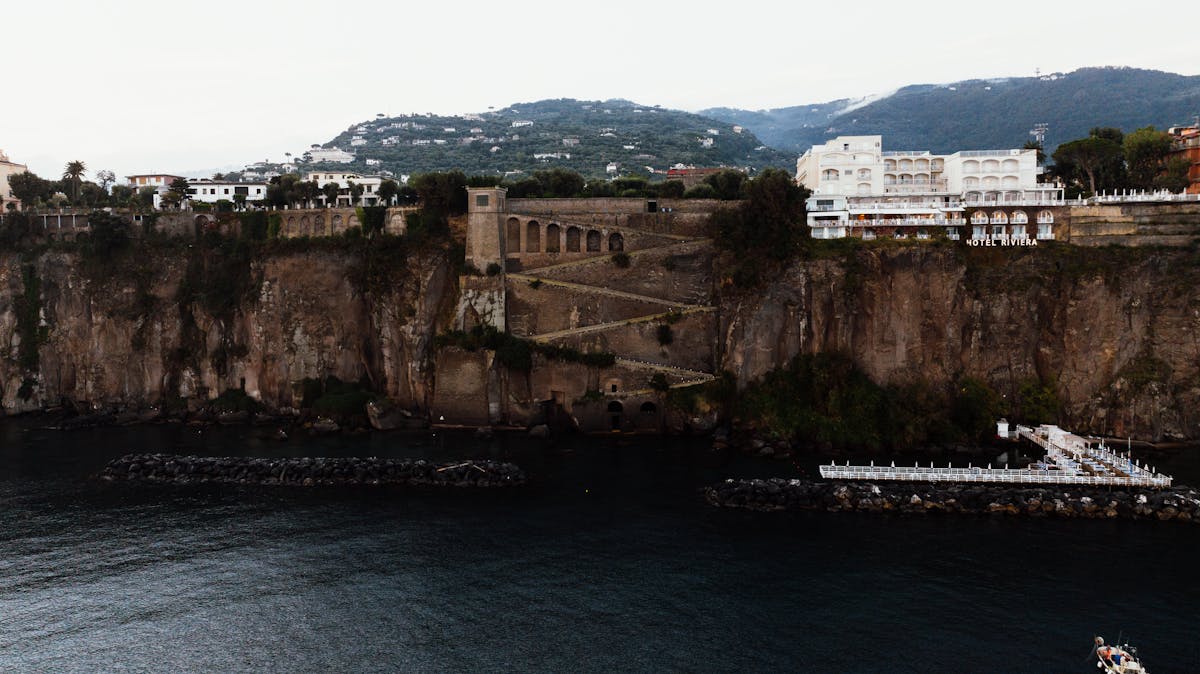
The best thing about Capri isn't the Piazzetta or the Blue Grotto — it's the walking paths. The island has a network of trails that most day-trippers never discover because they're too busy queuing for boats.
The Sentiero dei Fortini runs along the southwestern coast from the Blue Grotto to the Faro lighthouse — about 5km, 2 hours, passing three Napoleonic-era forts with views that will rearrange your priorities. It's not difficult, but it's unshaded and some sections are rocky.
The Pizzolungo walk from the Arco Naturale to the Gardens of Augustus is shorter (1.5km) and passes through the most dramatic stretch of coastline on the island — limestone arches, the Faraglioni rocks below, and a section carved into the cliff face. Forty minutes of walking, zero euros, better than any paid attraction on the island.
Capri is two places: the boutique-and-boat-tour island that most people see, and the wild, vertical, impossibly beautiful rock that reveals itself when you walk. The second one is the reason people have been coming here since the Romans.
What It Actually Costs
| Item | Cost |
|---|---|
| Ferry return (hydrofoil) | €44–50 |
| Ferry return (slow) | €30–36 |
| Funicular (one way) | €2.20 |
| Bus (one way) | €2.20 |
| Monte Solaro chairlift (return) | €12 |
| Blue Grotto | €18 |
| Lunch (trattoria, not touristy) | €15–25 |
| Coffee in the Piazzetta | €5–7 |
A realistic budget for a day trip: €70-100 per person, depending on ferry choice and whether you do the Blue Grotto. That makes Capri the most expensive day trip from Naples. It's also the most visually spectacular, so the math kind of works out. Just bring cash — some of the smaller boats and buses are cash only.